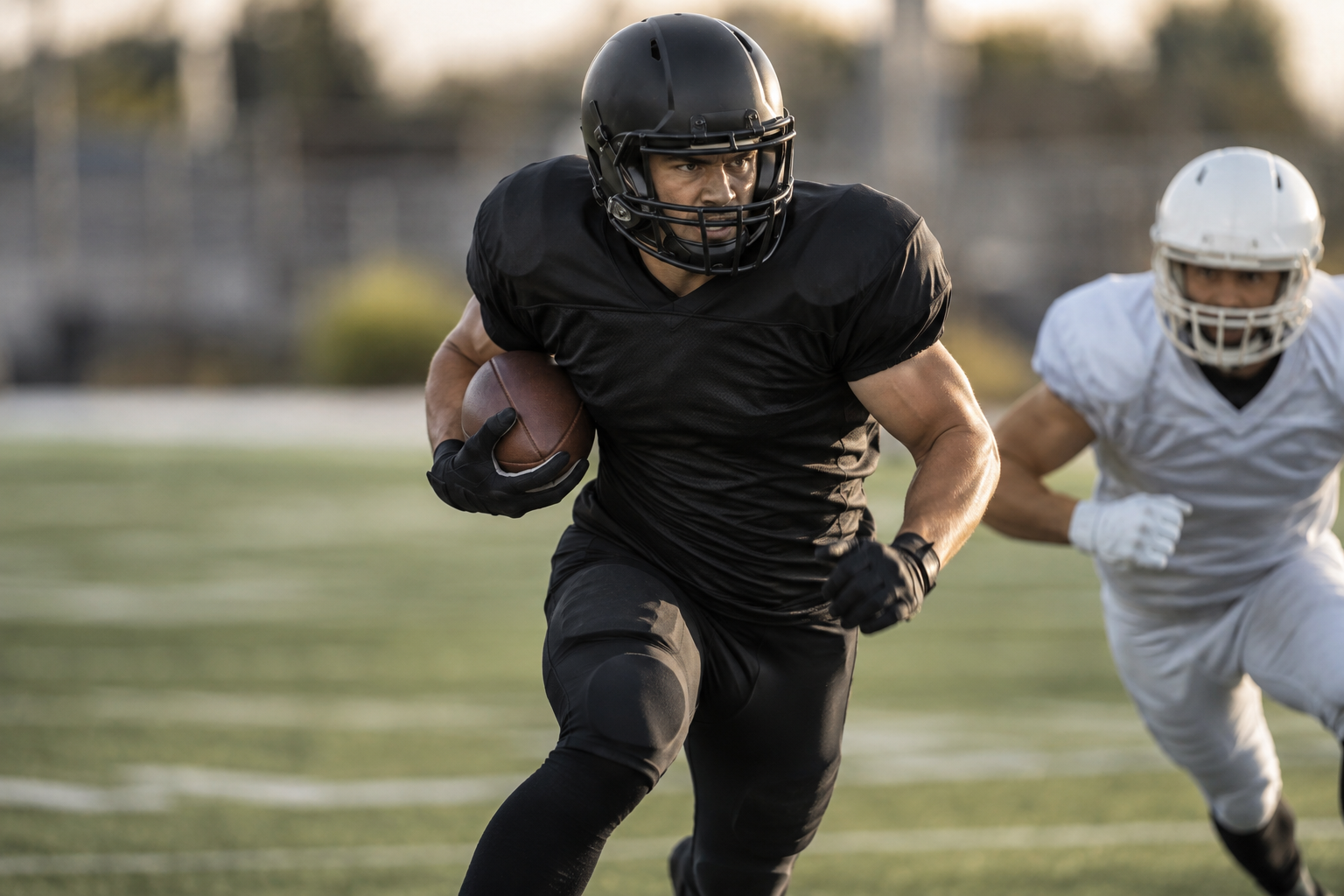
American football
Identify the protective equipment worn beneath the garments; the apparel brief must describe that intended combination.
Explore American football
Plan playing, training and travel wear together. Each sport page explains the garment decisions that belong in a focused manufacturing brief.
Choose a garment category to see fit, material, construction and artwork decisions for your brief.
Identify the protective equipment worn beneath the garments; the apparel brief must describe that intended combination.
Explore American football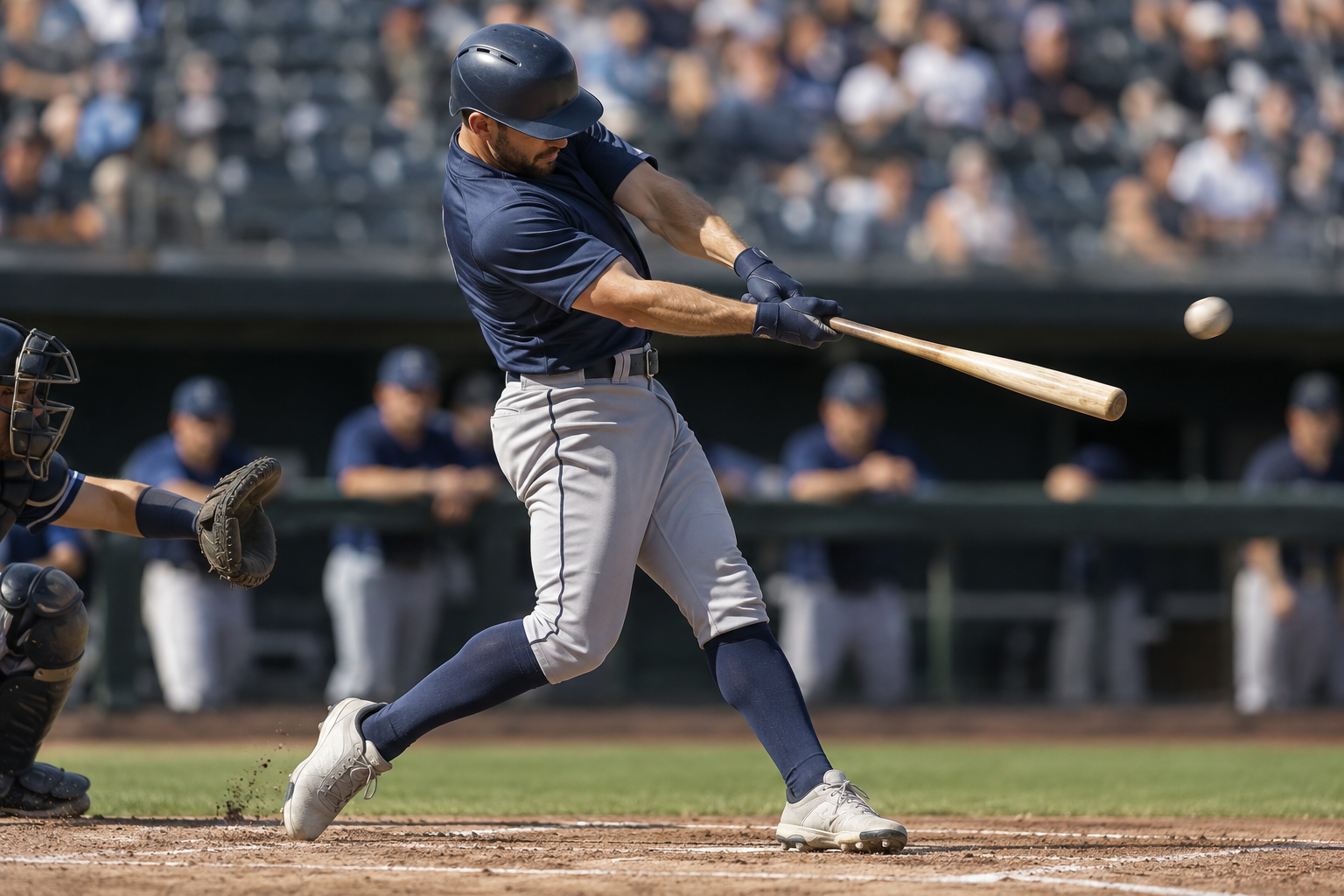
Define the playing silhouette and separate jersey, pants and training requirements.
Explore Baseball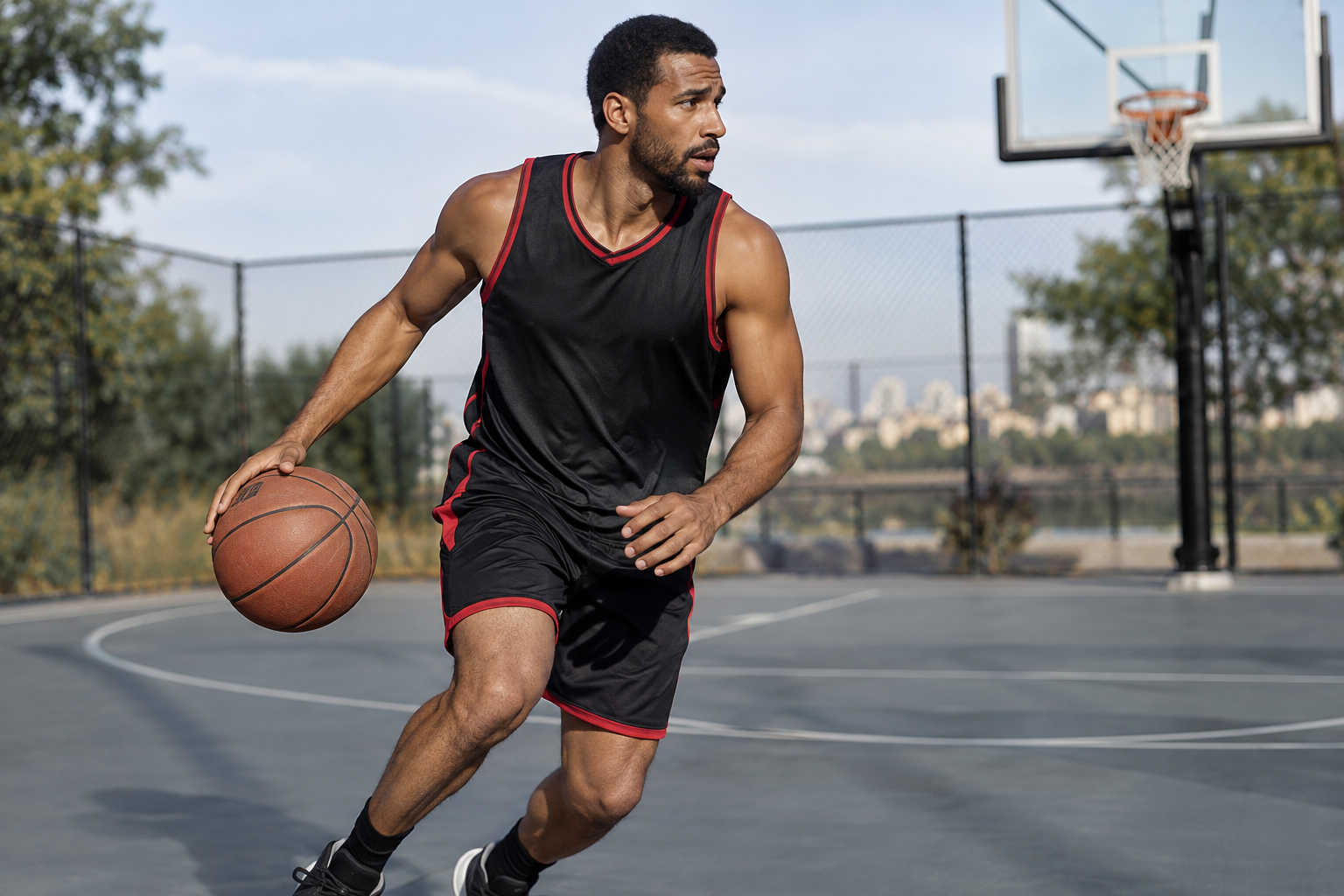
Plan jersey and short proportions together, and identify reversible garments separately if required.
Explore Basketball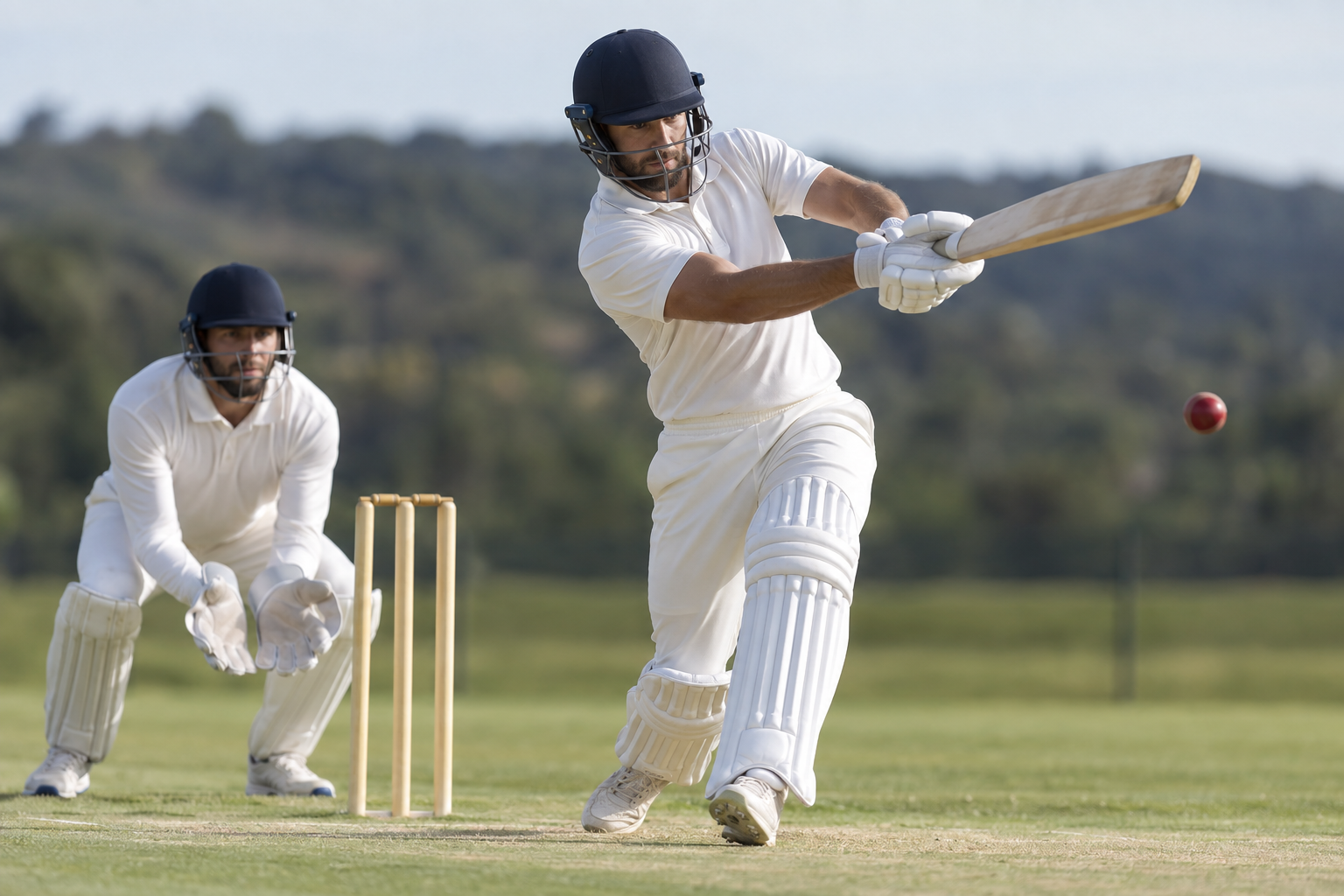
Separate playing whites from coloured match programmes and identify any layering requirements.
Explore Cricket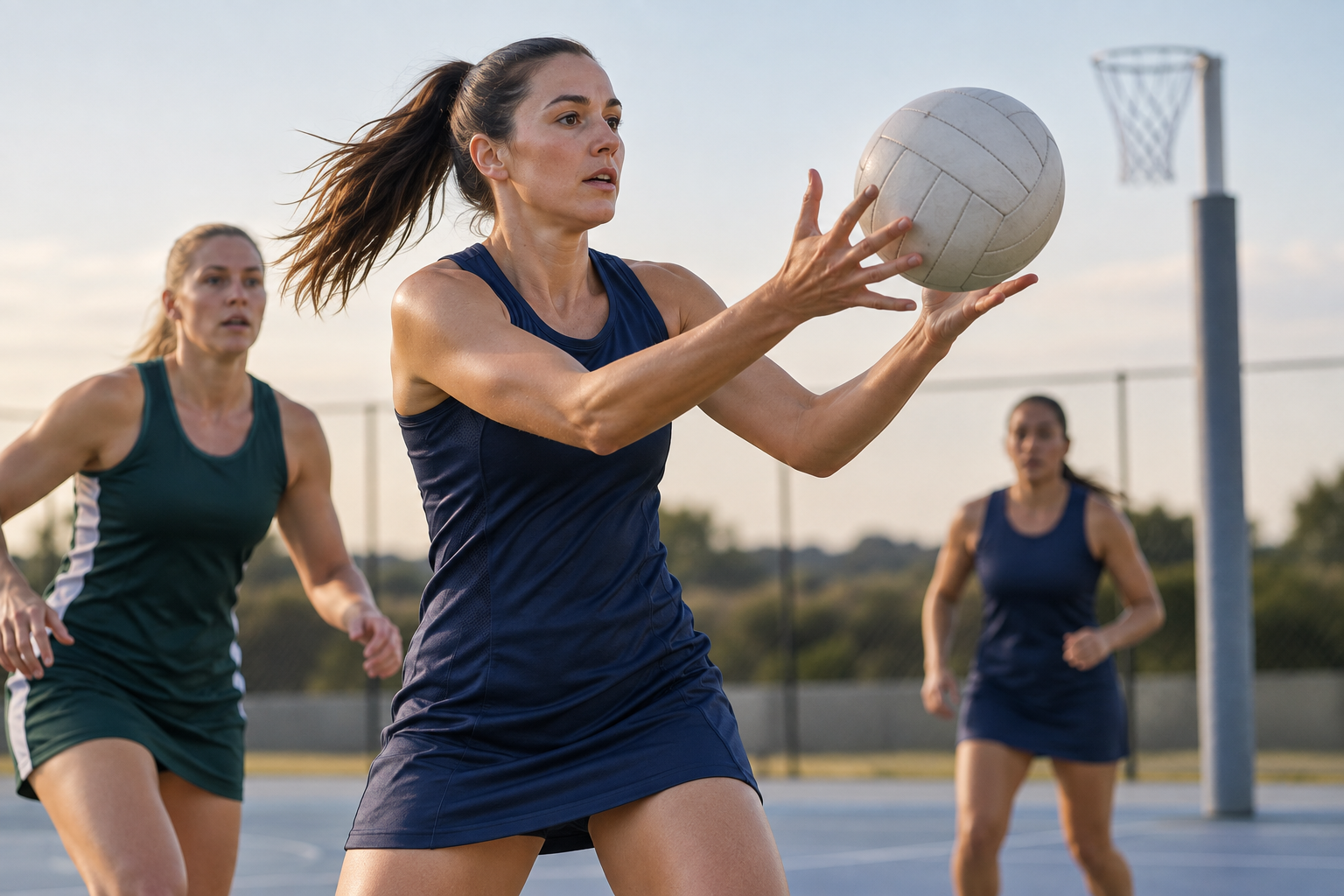
Identify whether the programme uses dresses or separates, and include positional identification requirements in the brief.
Explore Netball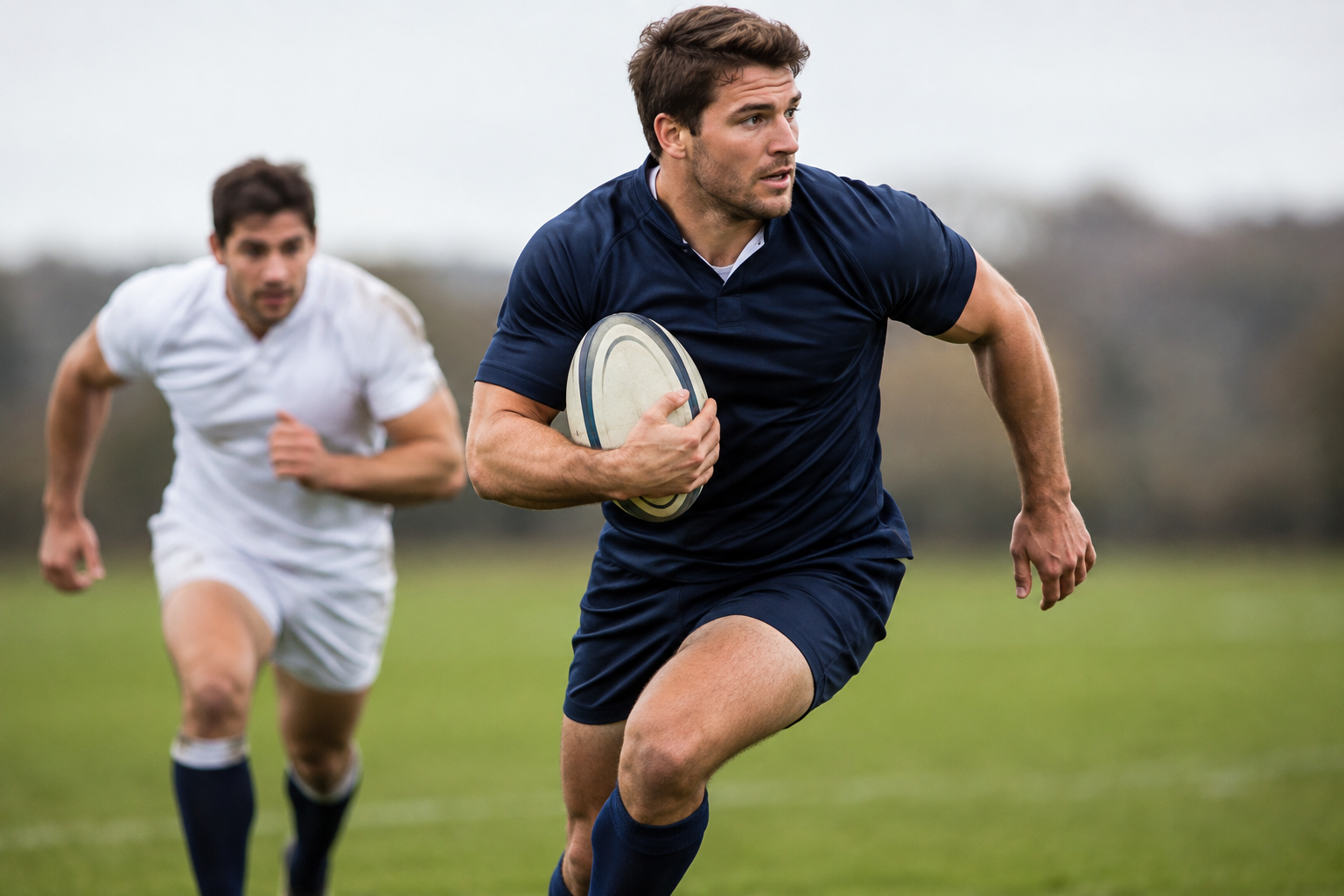
State the intended level of play, preferred shirt fit and whether garments will be worn over additional layers.
Explore Rugby
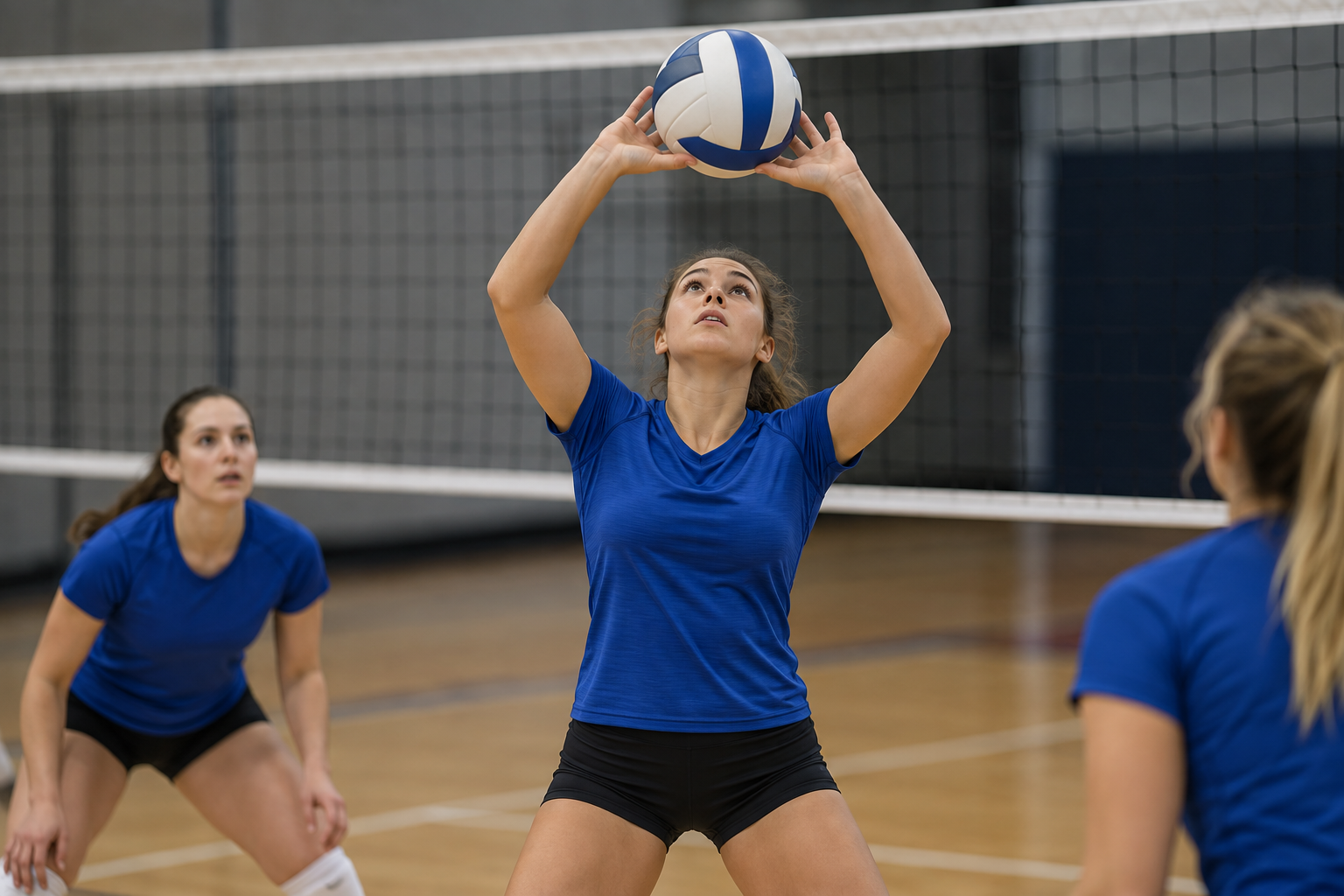
State sleeve preferences, jersey length and the planned combination of playing and warm-up garments.
Explore VolleyballCoordinate the collection around garment roles and the intended activity.
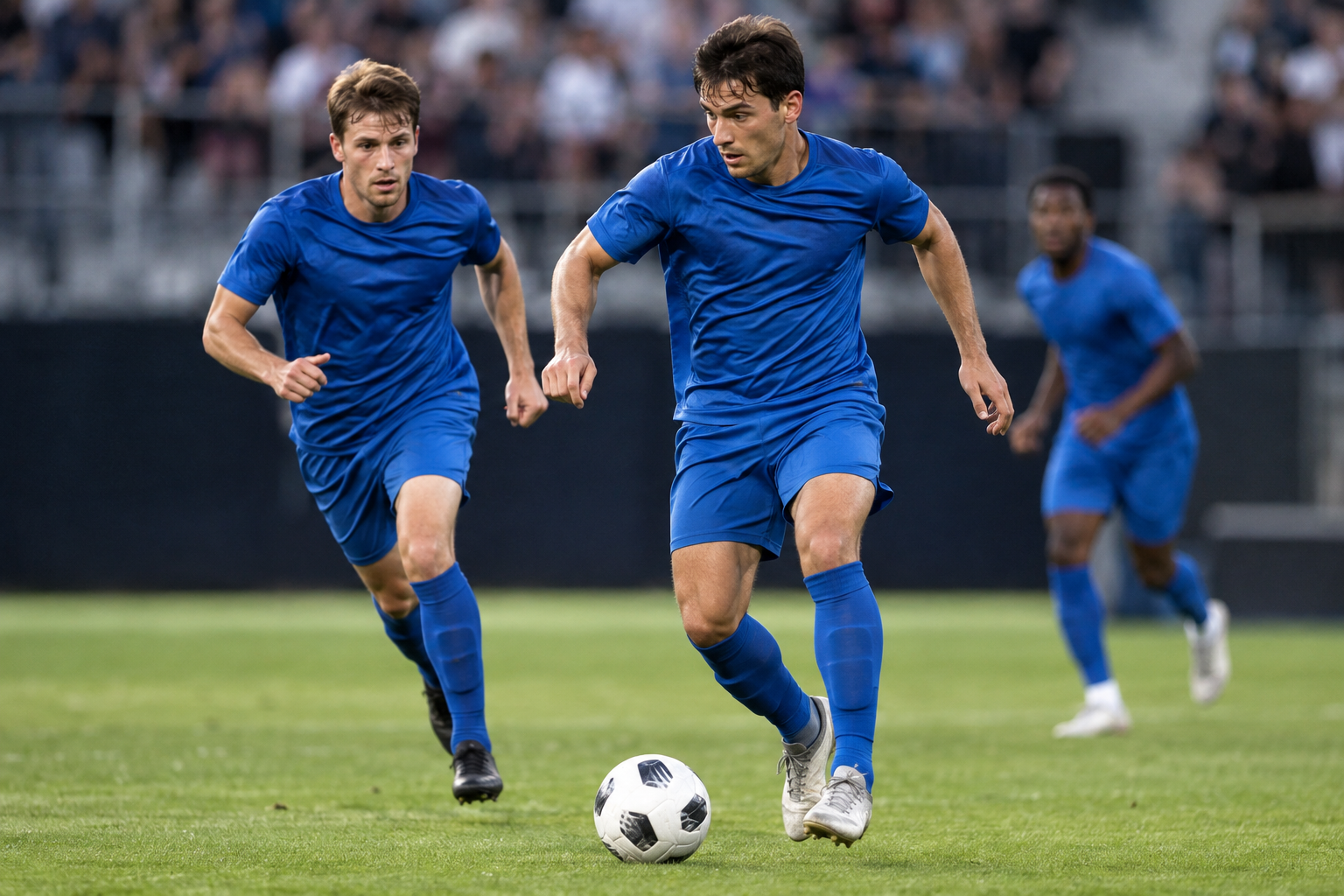
Start with sport-specific silhouettes and a complete size breakdown.
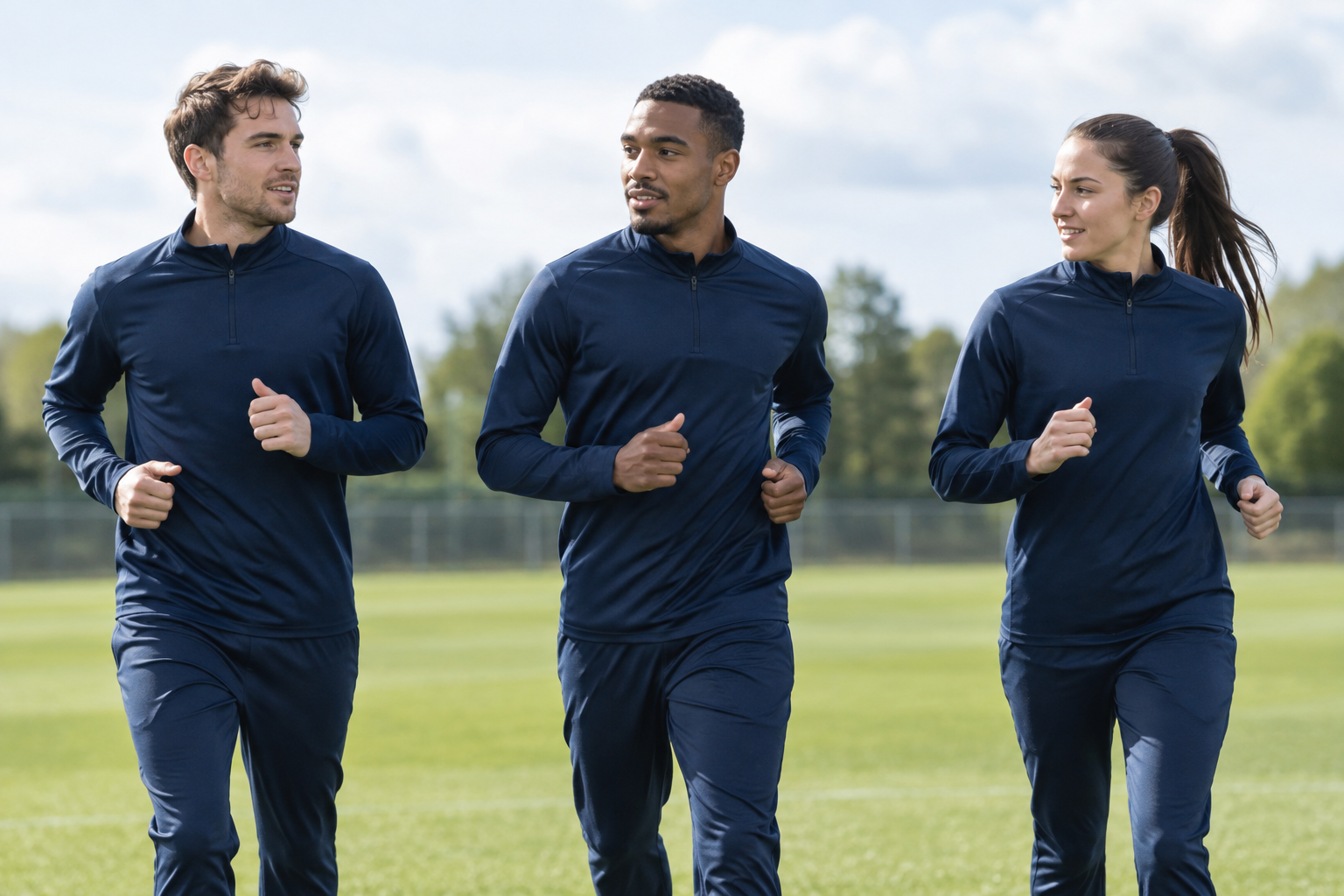
Review movement, fit and layering across the training collection.
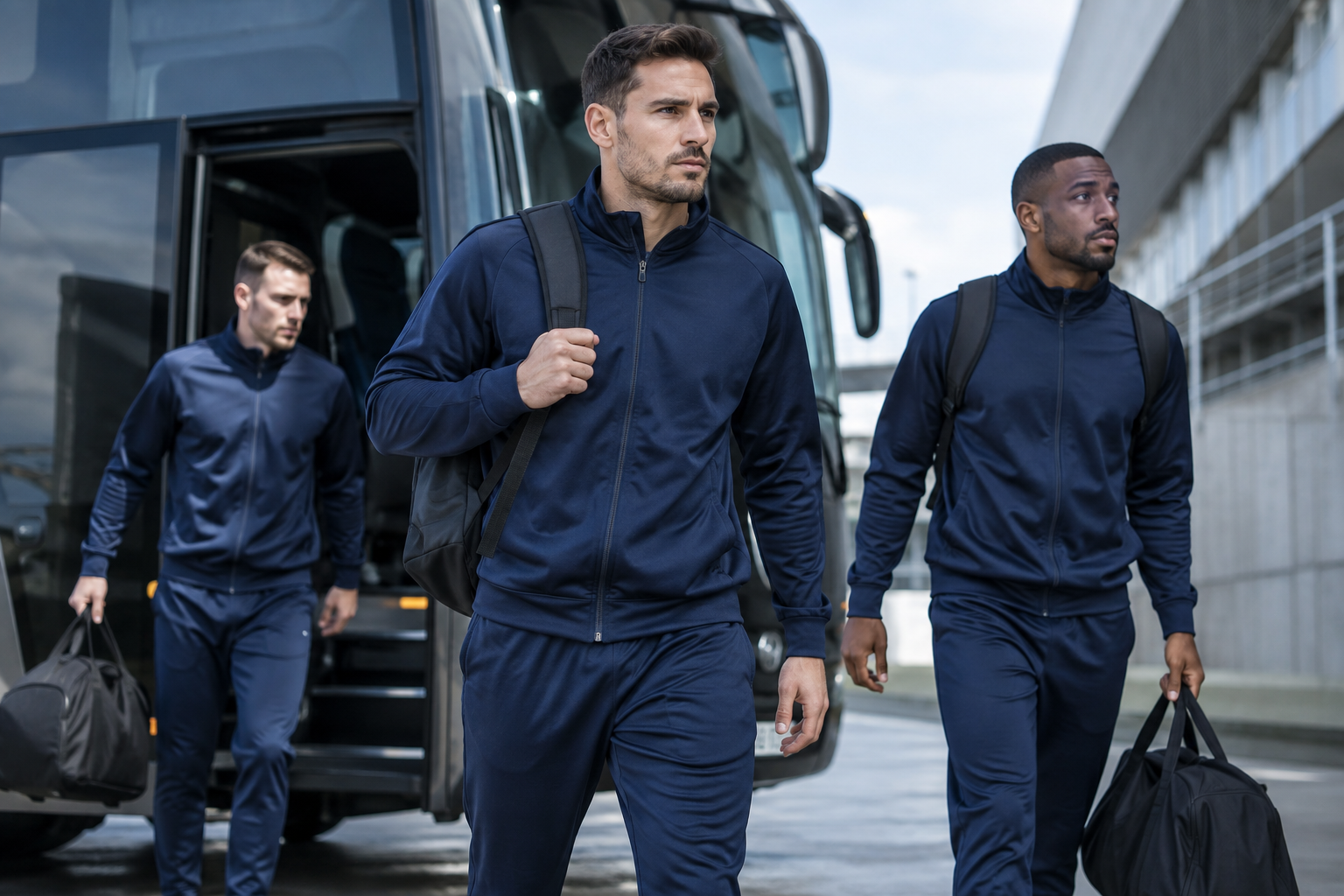
Coordinate warm-ups and travel pieces with the same colour and branding references.
Specify how individual garments work together.
Define the essential tops and bottoms before adding optional pieces.
Plan warm-up and travel garments with the core collection.
Use physical samples to settle the fabric and construction brief.
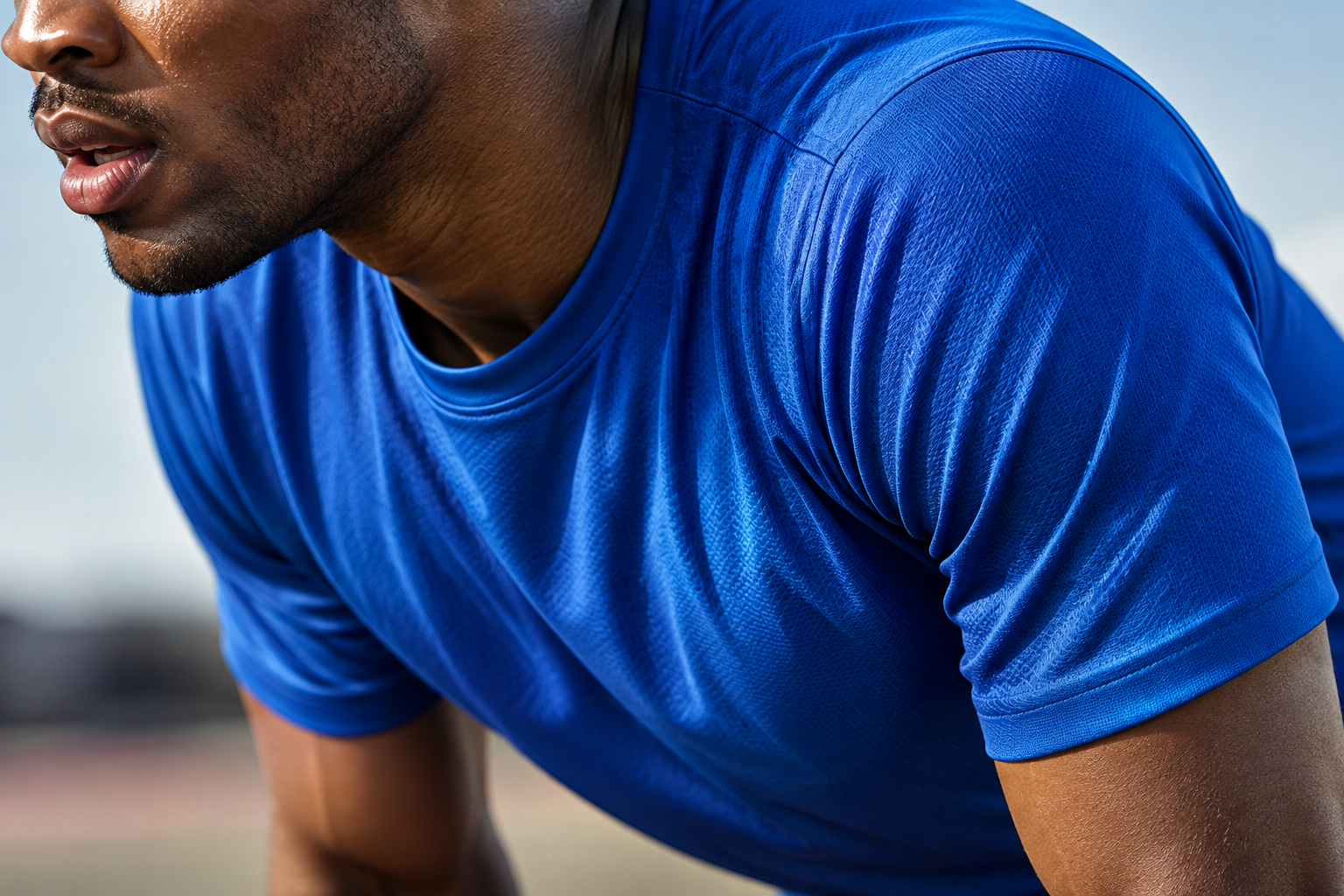
State composition, weight and colour reference. Compare the physical material with the garment it will become.
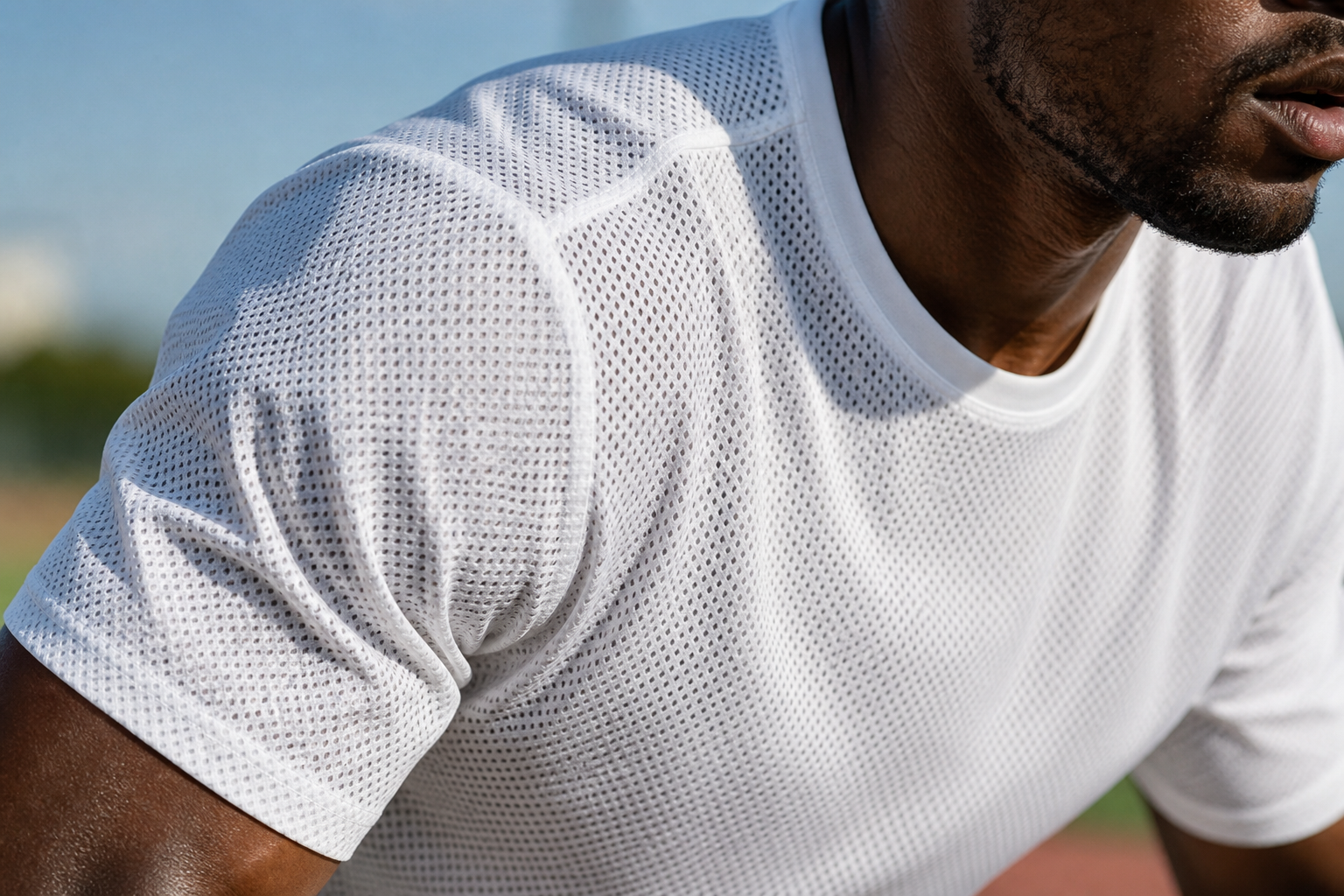
Locate mesh or contrasting panels on the garment drawing. Review coverage and the resulting seam positions.
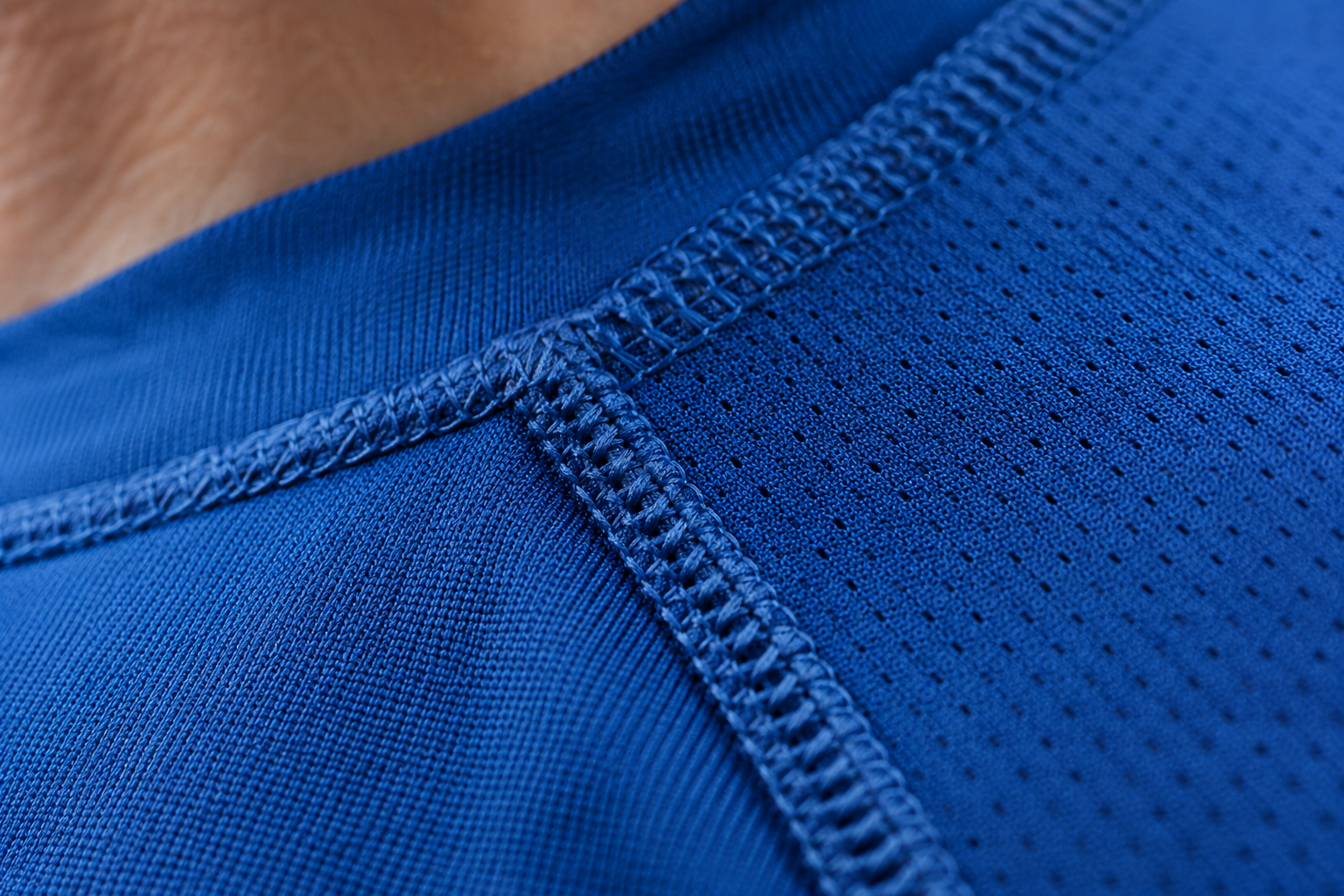
Keep the accepted seam finish with the sample. Check joins, edges and skin-contact points.
Bring your brand colours, artwork and placement references into the same brief. Confirm each finish on the chosen fabric before approving the range.
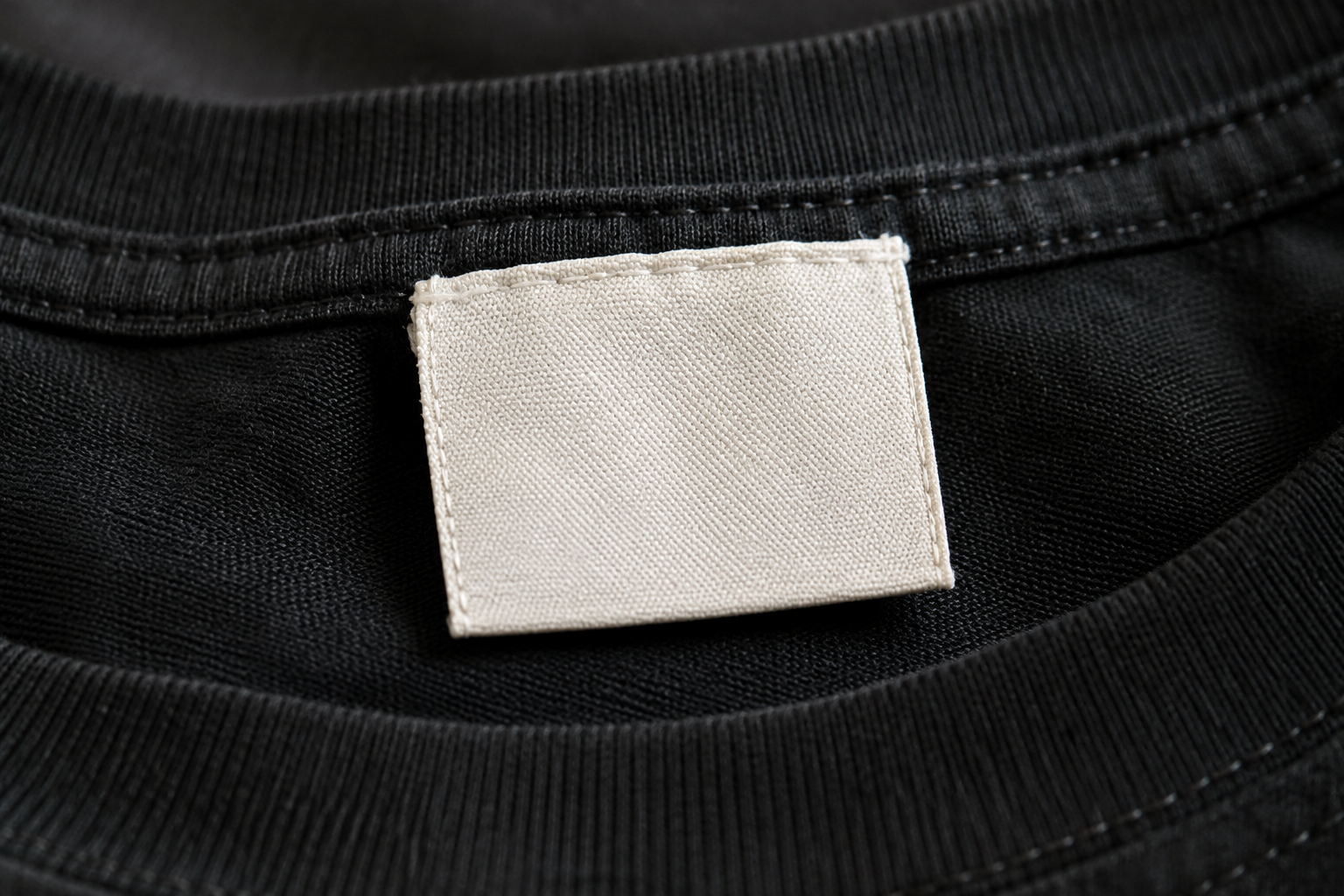

Specify label dimensions, placement and the content your brand needs. Check feel against the skin on the sample.

Discuss thread colour, embroidery placement and print artwork with the garment construction in mind.
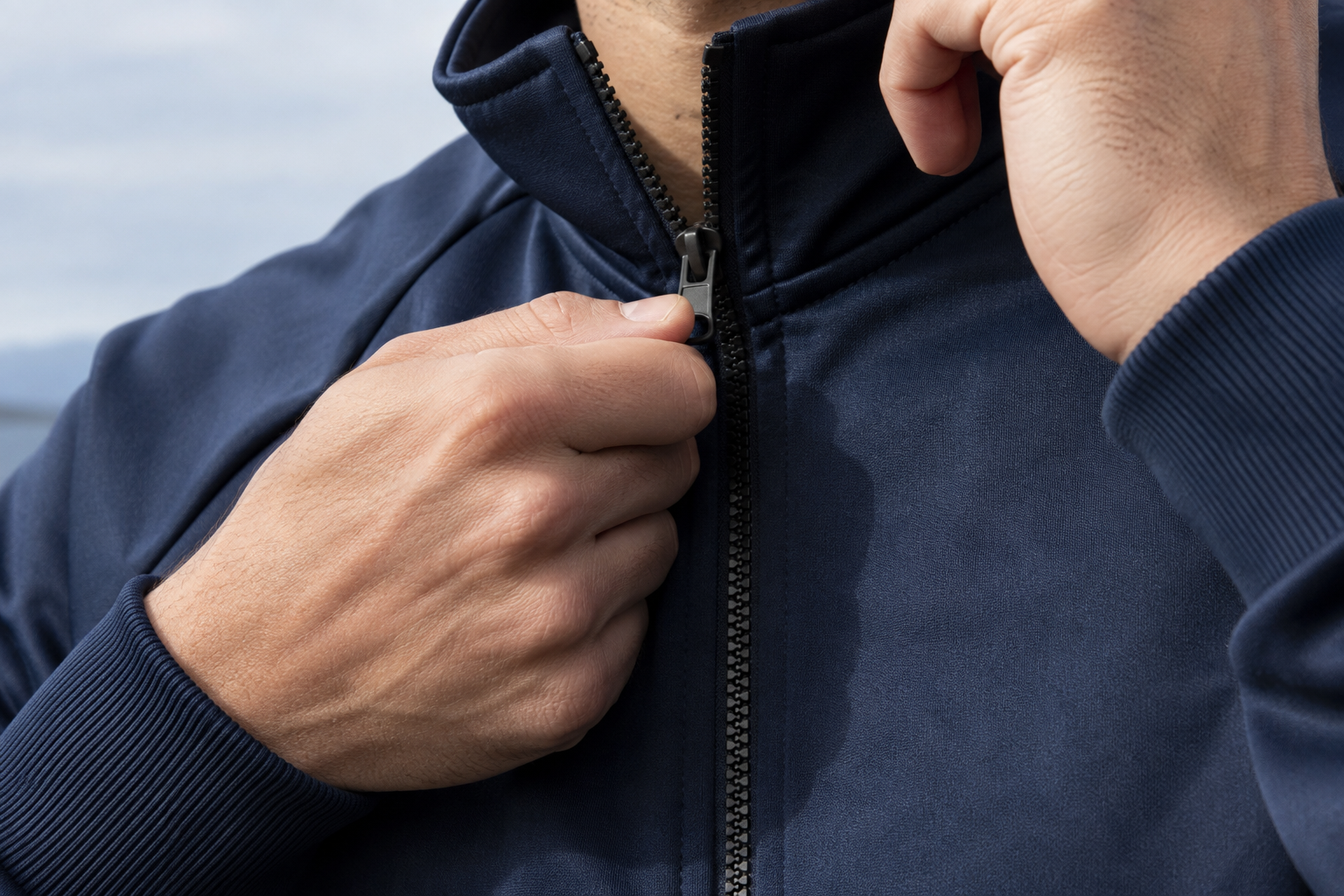
Define zipper style, puller, rib finish and matching colours alongside the main fabric.
Agree each decision before moving to the next stage. Keep the approved specifications together so the quotation and production brief describe the same garment.

Send garment references, quantities, destination and the intended use.
Review materials, construction, decoration and the size specification.

Agree the final specification, commercial terms and delivery plan before production.
Check fit, colour and finishing together. Record changes against the sample.

Confirm packing, shipping documents and the delivery responsibilities agreed in the quotation. Request dispatch details when the order is ready.
Make each commercial assumption explicit before committing to production.
List pieces by style, colour and size. Identify opening orders and possible replenishment separately.
Request the sample scope, costs and revision process. Keep one approved specification.
Name the country, delivery area and target date. Confirm freight, duties and responsibilities in the quotation.
Agree the details that affect your quotation and sample review.
Keep the accepted sample, measurement chart, colour references, artwork files and order quantities together. Identify who approves corrections and record changes before production proceeds.
State the delivery country and area in the USA, Australia or the relevant European country, your target arrival date and packing requirements. Request production timing, freight and delivery responsibilities in writing.
Break your request down by garment, colour and size. Ask for the minimum quantity, unit price, sample cost and any artwork charges against that exact brief; do not assume one minimum applies to every style.
Describe the garments, estimated quantities, destination and decisions you need help with. Include sample and artwork requirements so the brief can be reviewed together.